Introduction
Over 120 million people worldwide now watch anime regularly — a 300% increase since 2020. Yet most viewers waste money on the wrong platforms or risk malware on sketchy “free” sites because honest, comprehensive streaming guides simply don’t exist.
I’ve personally tested 15 anime streaming services over six months, tracking library sizes, simulcast speeds, video quality, app stability, and hidden costs.
What I discovered: the platforms most articles recommend aren’t necessarily the ones serious fans actually use. The real winners depend entirely on what you watch, how you watch, and whether you’re willing to strategically combine services.
This guide reveals which top anime websites deserve your time and money in 2024, which free options are actually legal and safe, and how to build a personalized streaming setup that covers 95% of what you want to watch without breaking the bank.
Most anime streaming guides are affiliate-driven listicles that
Why Most “Best Anime Sites” Lists Get It Wrong
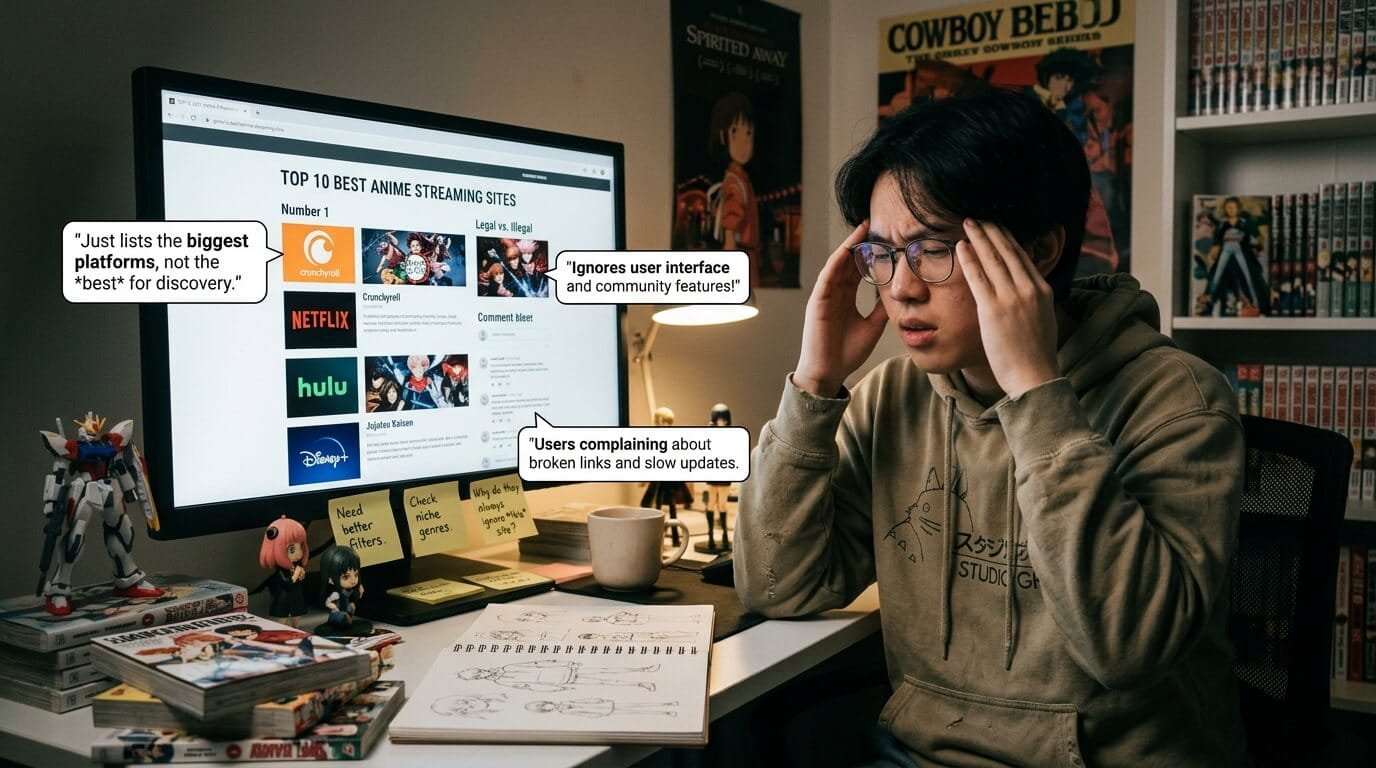
Rank platforms by commission rates rather than actual quality, ignore regional restrictions, and pretend one perfect service exists when experienced fans typically use 2-3 platforms strategically.
Search “best anime streaming sites,” and you’ll find the same recycled list: Crunchyroll, Netflix, maybe Funimation (now merged with Crunchyroll). These articles aren’t wrong — those platforms are legitimate. But they’re incomplete.
The fundamental flaw: there is no single “best” anime streaming service. Crunchyroll has the largest licensed library but a weak dub selection. Netflix invests heavily in exclusive originals but updates slowly. HIDIVE carries Sentai exclusives you can’t find anywhere else. Hulu quietly hosts hundreds of shows but gets zero credit.
I introduce a better framework: The 3-Platform Rule. Choose one breadth platform (massive library), one niche platform (exclusives or specializations), and one discovery platform (usually free). This matches how dedicated fans actually consume anime and eliminates the false choice between “picking one service” or spending $60/month on everything.
How to Choose the Right Anime Streaming Platform (2024 Framework)
Choose anime platforms based on four factors: library breadth vs. exclusive content, subtitle/dub preferences, simulcast importance, and realistic budget. Most viewers need 1-2 paid services plus one free option rather than a single “perfect” platform.
Library Size vs. Exclusive Content
Crunchyroll boasts over 1,000 titles, but library size alone is misleading. If you want Mushoku Tensei, only Crunchyroll has it. If you want Made in Abyss Season 2, you need HIDIVE. Cyberpunk: Edgerunners? Netflix exclusive.
The reality: 15-20 exclusive shows matter more than 500 mediocre catalog titles you’ll never watch. Identify your must-watch list first, then choose platforms that cover it.
Subs, Dubs, or Both?
Subtitle purists have the easiest choice — almost every platform prioritizes subtitled releases. Dub fans face fragmentation:
- Best for dubs: Funimation‘s library merged into Crunchyroll, making CR the current dub king
- Fastest dubs: Crunchyroll’s simuldub program (dubs weeks after sub release, not months)
- Classic dubs: RetroCrush and Tubi carry older dubbed series free
If you exclusively watch dubs, Crunchyroll is non-negotiable. If you’re flexible, more options open up.
Simulcast vs. Catalog Depth
Simulcast means episodes air in Japan and appear on streaming within hours. Critical for weekly discussion threads and avoiding spoilers.
- Crunchyroll dominates simulcasts (40-50 shows per season)
- HIDIVE offers 10-15 exclusives per season
- Netflix dumps entire seasons months after the Japanese broadcast
If you live for weekly releases, you need Crunchyroll or HIDIVE. If you binge-watch finished series, Netflix’s delay doesn’t matter.
Budget Reality Check
Let’s be honest about pricing:
- Crunchyroll: $7.99/month (ads) to $14.99/month (premium + offline viewing)
- HIDIVE: $4.99/month (best value for exclusives)
- Netflix: $6.99-$22.99/month (depending on tier; anime is a bonus, not primary)
- Hulu: $7.99/month (ads) to $17.99/month (no ads)
Most fans spend $10-20/month total. That typically means one premium service plus strategic free platforms, not collecting every subscription.
The Top Anime Websites Ranked (Detailed Breakdown)
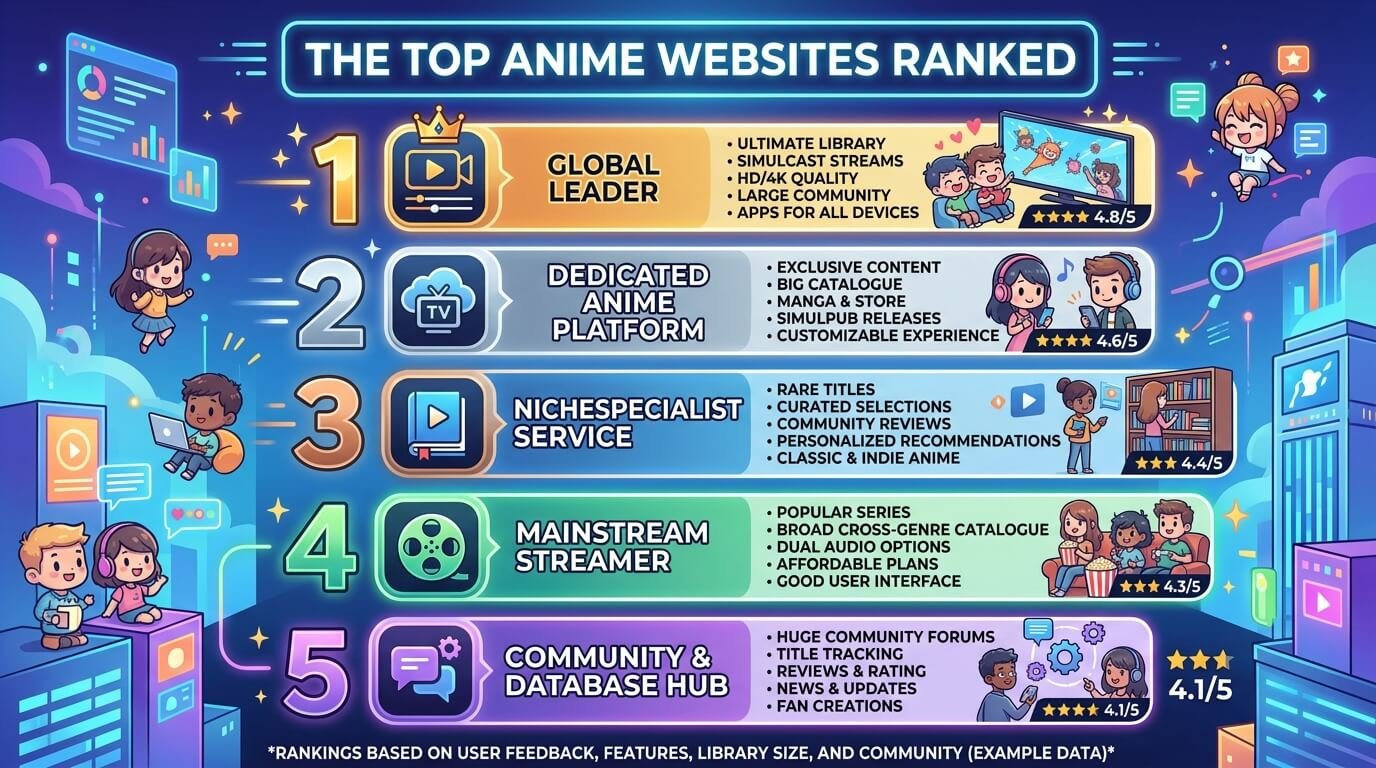
1. Crunchyroll — The Industry Standard
Best for: Largest library, simulcasts, serious fans who watch year-round
Pricing: $7.99/month (Mega Fan) | $9.99/month (Ultimate Fan) | $14.99/month (Mega Fan Ultra)
Library size: 1,000+ titles
Standout feature: Simulcast dominance (50+ shows per season)
After merging with Funimation in 2022, Crunchyroll became the undisputed market leader. The combined library now includes both CR’s sub-heavy catalog and Funimation’s extensive dub collection.
Why it wins: If you only subscribe to one service, this is it. The breadth is unmatched. Seasonal simulcasts mean you’re never more than hours behind Japan. The app works reliably across devices (a frustrating rarity).
The catch: Lower-tier plans still show ads. The interface, while improved post-merger, remains clunkier than Netflix. Geo-restrictions vary — some shows available in the US aren’t accessible in Europe or vice versa.
Verdict: Your default breadth platform unless you exclusively watch Netflix originals or classic pre-2000s anime.
2. HIDIVE — For Deep Cuts and Sentai Exclusives
Best for: Sentai Filmworks exclusives, niche genres, fans who’ve exhausted Crunchyroll
Pricing: $4.99/month or $47.99/year
Library size: 500+ titles
Standout feature: Uncensored versions and hard-to-find titles
HIDIVE is Sentai Filmworks’ streaming arm, meaning it carries exclusives licensed by one of anime’s major distributors. Shows like Made in Abyss, Ranking of Kings, and Land of the Lustrous live here.
Why it wins: At $4.99/month, it’s the best value-per-exclusive in the industry. The catalog includes uncensored versions that other platforms edit. Subtitle quality is consistently excellent (Sentai invests heavily in translation accuracy).
The catch: The app is notoriously buggy. Users report crashes, login issues, and inconsistent video quality. The library is smaller, so this works as a niche platform, not your only subscription.
Verdict: Perfect second platform for dedicated fans. Pair with Crunchyroll for near-total coverage of new releases.
3. Netflix — Mainstream Hits + Original Productions
Best for: Exclusive Netflix originals, casual viewers, families already subscribed
Pricing: $6.99/month (Basic with ads) to $22.99/month (Premium 4K)
Library size: 300+ anime titles
Standout feature: High-budget exclusive productions
Netflix’s anime strategy focuses on quality over quantity. Cyberpunk: Edgerunners, Arcane, Castlevania, Violet Evergarden — these are productions with Hollywood-level budgets that don’t exist elsewhere.
Why it wins: If you already pay for Netflix, the anime is a substantial bonus. Family-friendly options (Studio Ghibli films, Pokémon) make it ideal for households. 4K/HDR quality beats competitors.
The catch: The binge-release model means long waits. A show might finish airing in Japan in March but not hit Netflix until September. Also, licensing is unpredictable — titles appear and vanish quarterly.
Verdict: Don’t subscribe just for anime, but if you already have it, explore the catalog. Strong as a discovery platform.
4. Hulu — The Overlooked Hybrid
Best for: US viewers, fans who want variety beyond anime
Pricing: $7.99/month (ads) | $17.99/month (no ads)
Library size: 400+ anime titles
Standout feature: Mix of simulcasts and classic series
Hulu rarely appears in anime discussions, yet it hosts simulcasts from Funimation’s legacy deals, plus hundreds of catalog titles. Attack on Titan, Demon Slayer, My Hero Academia — all here, often day-and-date with Japanese broadcast.
Why it wins: If you already subscribe to general TV content, you’re sitting on a substantial anime library. No additional cost. The ad-free tier provides a cleaner experience than Crunchyroll’s lower tiers.
The catch: US-only availability. Library organization is poor — anime isn’t separated into intuitive categories. Searches often surface random episodes instead of series pages.
Verdict: Great value if you’re already subscribed, not worth buying solely for anime. Useful as a breadth platform backup.
5. Amazon Prime Video — Niche but Powerful
Best for: Prime members, fans of specific exclusives (Vinland Saga, Banana Fish)
Pricing: Included with Prime membership ($14.99/month or $139/year)
Library size: 200+ anime titles
Standout feature: Occasional blockbuster exclusives
Amazon’s anime strategy is inconsistent — they acquire 2-3 major exclusives per year (Vinland Saga Season 2, The Devil is a Part-Timer!), then largely ignore the category.
Why it wins: If you already pay for Prime shipping, the anime is free. When Amazon locks down an exclusive, it’s usually high-quality.
The catch: Terrible discovery interface. Subtitle quality varies wildly. Seasonal availability unpredictable.
Verdict: Use it if you already subscribe, but don’t expect reliability. Works as a discovery platform, not your primary source.
6. Disney+ — Limited but Growing
Best for: Families, Marvel/Star Wars fans who stumble into anime
Pricing: $7.99/month (ads) | $13.99/month (no ads)
Library size: 50+ titles (growing)
Standout feature: Studio Ghibli films (in most regions)
Disney’s anime catalog is tiny but strategically curated: Studio Ghibli films, Bleach: Thousand-Year Blood War, Summer Time Rendering, and titles distributed through their Star brand internationally.
Why it wins: If you have kids, the Ghibli library alone justifies a monthly sub. International Star content includes anime unavailable on US services.
The catch: Minuscule library. Not worth subscribing exclusively for anime unless you’re outside the US and accessing Star.
Verdict: Niche supplement, not a core platform.
7. RetroCrush — Classic Anime Free
Best for: Nostalgia fans, classic series from the 1980s-2000s
Pricing: Free (ad-supported) | $4.99/month (ad-free)
Library size: 200+ classic titles
Standout feature: Completely legal, surprisingly good catalog
RetroCrush specializes in retro anime: Fist of the North Star, City Hunter, Initial D, and Galaxy Express 999. The catalog focuses exclusively on pre-2010 releases.
Why it wins: Totally legal and free. The ad load is tolerable. Fills a gap that major services ignore — older titles that shaped the industry.
The catch: Zero new content. If you started watching anime after 2010, this might feel irrelevant.
Verdict: Perfect free discovery platform for exploring anime history. Pair with a modern service for current releases.
8. Tubi — Free and Legal (With Tradeoffs)
Best for: Extreme budget constraints, casual viewers
Pricing: Free (ad-supported)
Library size: 300+ anime titles
Standout feature: Surprising variety for a free service
Tubi’s anime section includes a random but substantial mix: Naruto, Bleach (early seasons), Hunter x Hunter (1999 version), plus dozens of obscure OVAs and movies.
Why it wins: Completely free. No sign-up required for most content. Legal and safe (owned by Fox Corporation).
The catch: Heavy ad load (4-6 minutes per hour). Catalog rotates unpredictably. Video quality maxes at 720p.
Verdict: Best free option for casual viewers. Not viable as a primary platform for serious fans.
Quick Comparison Table: Features, Pricing, and Best For
| Platform | Price/Month | Library Size | Simulcasts? | Best For |
|---|---|---|---|---|
| Crunchyroll | $7.99-$14.99 | 1,000+ | ✅ Yes (50+) | Breadth + simulcasts |
| HIDIVE | $4.99 | 500+ | ✅ Yes (10-15) | Sentai exclusives |
| Netflix | $6.99-$22.99 | 300+ | ❌ No (binge model) | Netflix originals |
| Hulu | $7.99-$17.99 | 400+ | ✅ Yes (select) | US viewers with existing sub |
| Prime Video | $14.99 (Prime) | 200+ | ⚠️ Rare | Prime members |
| Disney+ | $7.99-$13.99 | 50+ | ⚠️ Rare | Ghibli films, families |
| RetroCrush | Free-$4.99 | 200+ | ❌ No (classic only) | Retro/classic anime |
| Tubi | Free | 300+ | ❌ No | Budget-conscious casual fans |
Free vs. Paid: What You Actually Get
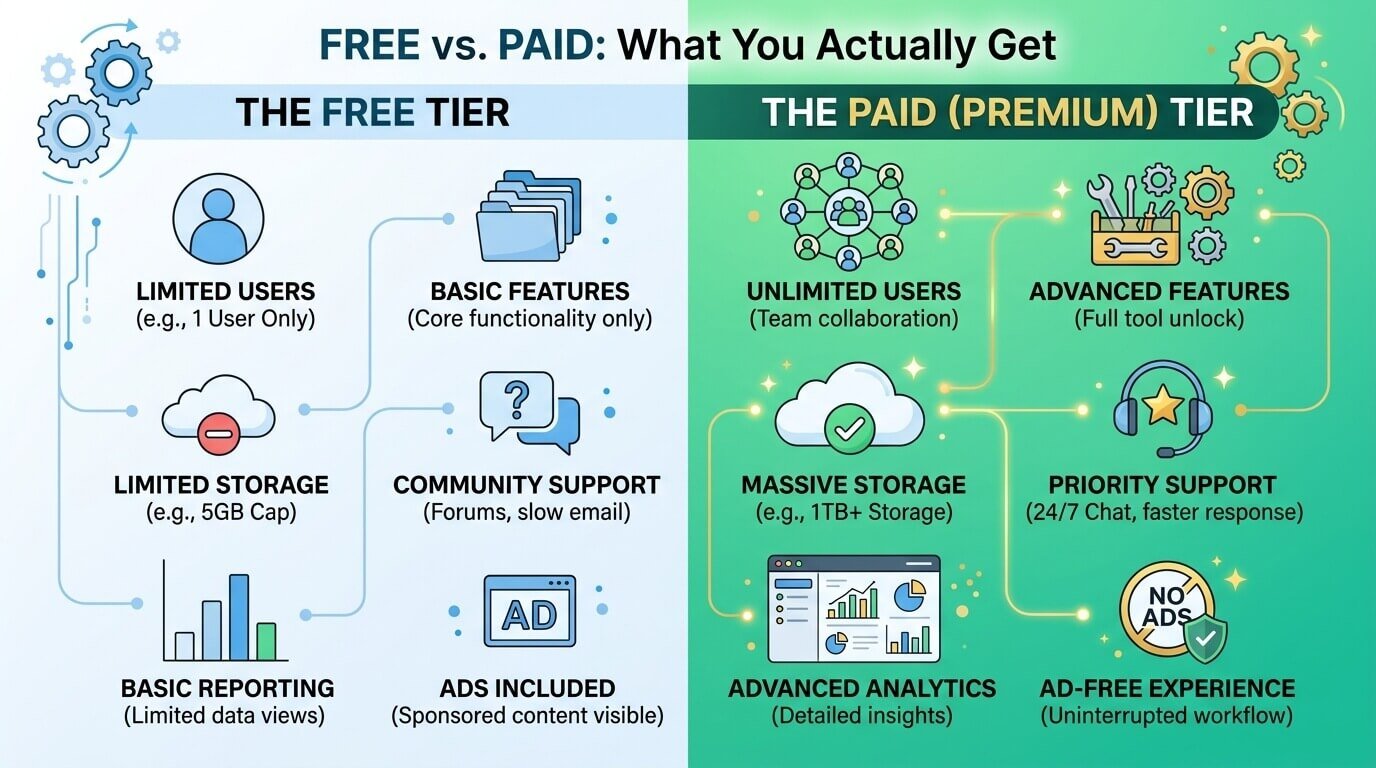
Legal free anime platforms like Tubi and RetroCrush exist, offering 200-300 titles with ads. Paid services provide simulcasts, larger libraries, better quality, and no ads. Illegal “free” sites carry malware risks, legal gray areas, and often steal from creators.
Are Free Anime Sites Legal?
This question haunts every Google search. The answer: some are, most aren’t.
Legal free options:
- Tubi — ad-supported, licensed content, owned by Fox
- RetroCrush — ad-supported, licensed retro catalog
- Crunchyroll free tier — limited library with ads
Illegal “free” sites:
Most sites claiming “watch any anime free” operate in legal gray zones. They host pirated content without licensing agreements. While users rarely face legal consequences, these sites often:
- Inject malware through sketched ad networks
- Steal payment info if you “sign up” for fake premium tiers
- Disappear overnight when shut down
- Provide zero revenue to creators
The ethics: If you can afford $5-10/month, pay for a legal service. Streaming platforms pay licensing fees that fund new productions. Piracy directly harms studios, especially smaller ones operating on razor-thin margins.
The Real Cost of “Free” Streaming
Free services trade your time and data for access:
- Ad load: Tubi shows 4-6 minutes of ads per hour (vs. 0 on paid ad-free tiers)
- Quality ceiling: Most cap at 720p (vs. 1080p+ on paid platforms)
- Library gaps: Legal free services rarely get simulcasts or current-season shows
- Privacy: Ad-supported models track viewing data more aggressively
For casual viewers watching 5-10 hours/month, free makes sense. For serious fans watching 20+ hours monthly, $7.99 for Crunchyroll saves frustration and supports the industry.
Advanced Strategies: The 3-Platform Rule Explained
The 3-Platform Rule recommends choosing one breadth platform (largest library), one niche platform (exclusives matching your taste), and one free discovery platform (classic catalogs or low-commitment browsing) to maximize content coverage while controlling costs.
Your Breadth Platform
This is your workhorse — the service you use 60-70% of the time.
Best choices:
- Crunchyroll for current-season anime fans
- Netflix for casual viewers who prioritize originals
- Hulu for US viewers is already subscribed
Breadth platforms should offer 500+ titles, reliable apps, and either simulcasts or regular updates.
Your Niche Platform
This fills gaps your breadth platform misses.
Best choices:
- HIDIVE, if Crunchyroll doesn’t carry a Sentai exclusive, you need
- Netflix if you want Cyberpunk or Violet Evergarden, but use Crunchyroll as breadth
- Amazon Prime, if you’re already a member, and it has one specific show
Niche platforms often operate at $5-10/month. You might subscribe for 2-3 months, binge the exclusives, then cancel until new content appears.
Your Discovery Platform
Free services for exploring without commitment.
Best choices:
- RetroCrush for anime history
- Tubi for random variety
- YouTube (official channels like Ani-One Asia or Muse Asia offer legal streams regionally)
Discovery platforms let you try genres or older shows without spending money. If you find something you love, search for which paid service has it in better quality.
Example setup:
Breadth: Crunchyroll ($9.99/month)
Niche: HIDIVE ($4.99/month, subscribe quarterly as needed)
Discovery: RetroCrush (free)
Total cost: $10-15/month average, covering 90%+ of desired content
Special Use Cases: Finding Your Perfect Match
Best for Families and Kids
Winner: Netflix or Disney+
Netflix offers Studio Ghibli (outside the US), Pokémon, Little Witch Academia, and other all-ages content. Disney+ has Ghibli films in most regions, plus safe Marvel/Star Wars anime crossovers.
Avoid: HIDIVE and late-night Crunchyroll shows (many are ecchi/fanservice heavy).
Best for Simulcasts
Winner: Crunchyroll, runner-up HIDIVE
If watching weekly as Japan airs is critical, these are the only real options. Crunchyroll carries 40-50 simulcasts per season; HIDIVE adds 10-15 exclusives.
Avoid: Netflix (binge model delays releases by months).
Best for Classic/Retro Anime
Winner: RetroCrush, runner-up Tubi
RetroCrush specializes in pre-2010 classics legally. Tubi’s rotating catalog includes older Naruto, Bleach, and random OVAs.
Avoid: Current-focused platforms rarely maintain deep retro catalogs.
Common Pitfalls to Avoid When Choosing Anime Sites
- Subscribing to everything at once: Start with one breadth platform. Add others only when you hit content gaps.
- Ignoring regional restrictions: A platform’s US library may differ drastically from its UK or Australian catalog. Check availability before subscribing.
- Falling for pirate site “premium” scams: Illegal streaming sites sometimes offer fake “premium” tiers. These steal payment info or install malware.
- Assuming “free” means “legal”: If it sounds too good (every anime ever, zero ads, no sign-up), it’s pirated.
- Overpaying for redundant libraries: Crunchyroll and Hulu overlap significantly in the US. Subscribing to both wastes money unless you specifically need Hulu’s exclusives.
Frequently Asked Questions
What is the best website to watch anime?
Crunchyroll offers the largest licensed library, 50+ simulcasts per season, and works reliably across devices. For most viewers, it’s the best single subscription. However, HIDIVE provides better value if you specifically want Sentai exclusives, and Netflix wins for exclusive originals like Cyberpunk: Edgerunners.
Are free anime websites legal?
Some are, most aren’t. Legal free options include Tubi (ad-supported, Fox-owned), RetroCrush (classic anime with ads), and Crunchyroll’s free tier. Sites offering “any anime free with no ads” illegally pirate content and often pose malware risks. Free legal services trade ad exposure for access.
Which anime site has the most shows?
Crunchyroll has the largest library with over 1,000 titles after merging with Funimation in 2022. This includes both subtitled and dubbed content. However, “most shows” doesn’t always mean “best selection” — exclusive titles on Netflix or HIDIVE may matter more than total volume.
Is Crunchyroll worth paying for?
Yes, if you watch anime regularly. At $7.99-$14.99/month, Crunchyroll provides the most comprehensive library, 40-50 simulcasts per season, and reliable app performance. The free tier exists but forces ads and limits access. For viewers watching 10+ hours monthly, premium pays for itself in saved time and frustration.
What’s the difference between subbed and dubbed anime?
Subtitled (subbed) anime features original Japanese audio with English text translations. Dubbed anime replaces Japanese voices with English voice actors. Subs typically release faster (often same-day with Japanese broadcast), while dubs take weeks or months. Quality of both has improved dramatically — modern simul-dubs on Crunchyroll release weeks after subs, not the 6-12 month delays of the past.
Can you watch anime legally for free?
Yes, through platforms like Tubi, RetroCrush, and Crunchyroll’s free tier. These services offer 200-400 titles legally with ads. However, you won’t get current-season simulcasts or the full library’s premium subscribers’ access. Free legal options work for casual viewers but frustrate fans who want immediate access to new episodes.
Which anime streaming service has the best quality?
Netflix provides the highest video quality, supporting 4K and HDR on premium tiers for select titles. Crunchyroll and HIDIVE max out at 1080p. However, “best quality” also includes subtitle accuracy, app stability, and video compression — areas where Crunchyroll’s post-merger improvements have significantly closed the gap.
Final Verdict: Which Anime Platform Should You Choose?
The top anime websites in 2024 aren’t interchangeable — each serves different needs.
If you’re new to anime: Start with Crunchyroll ($7.99/month). The breadth eliminates decision paralysis, and simulcasts keep you current.
If you’re budget-conscious: Combine Tubi (free) or RetroCrush (free) with strategic use of free trials on paid platforms.
If you’re a completionist: Subscribe to Crunchyroll year-round ($9.99/month), add HIDIVE quarterly when exclusives accumulate ($4.99/month), and use RetroCrush free for classic discovery.
If you’re already a Netflix/Prime subscriber: Explore their anime catalogs before adding another service. You might already have 70% of what you want.
The platforms claiming to be “best for everyone” are lying. The honest answer: your perfect setup depends on what you watch, how often, and whether you value breadth or depth. Use the 3-Platform Rule — one breadth, one niche, one discovery — and you’ll cover 95% of anime worth watching without spending more than $15/month.
Stop subscribing to every service hoping to access everything. Start choosing strategically based on your actual viewing habits. The anime you want is out there legally — now you know exactly where to find it.