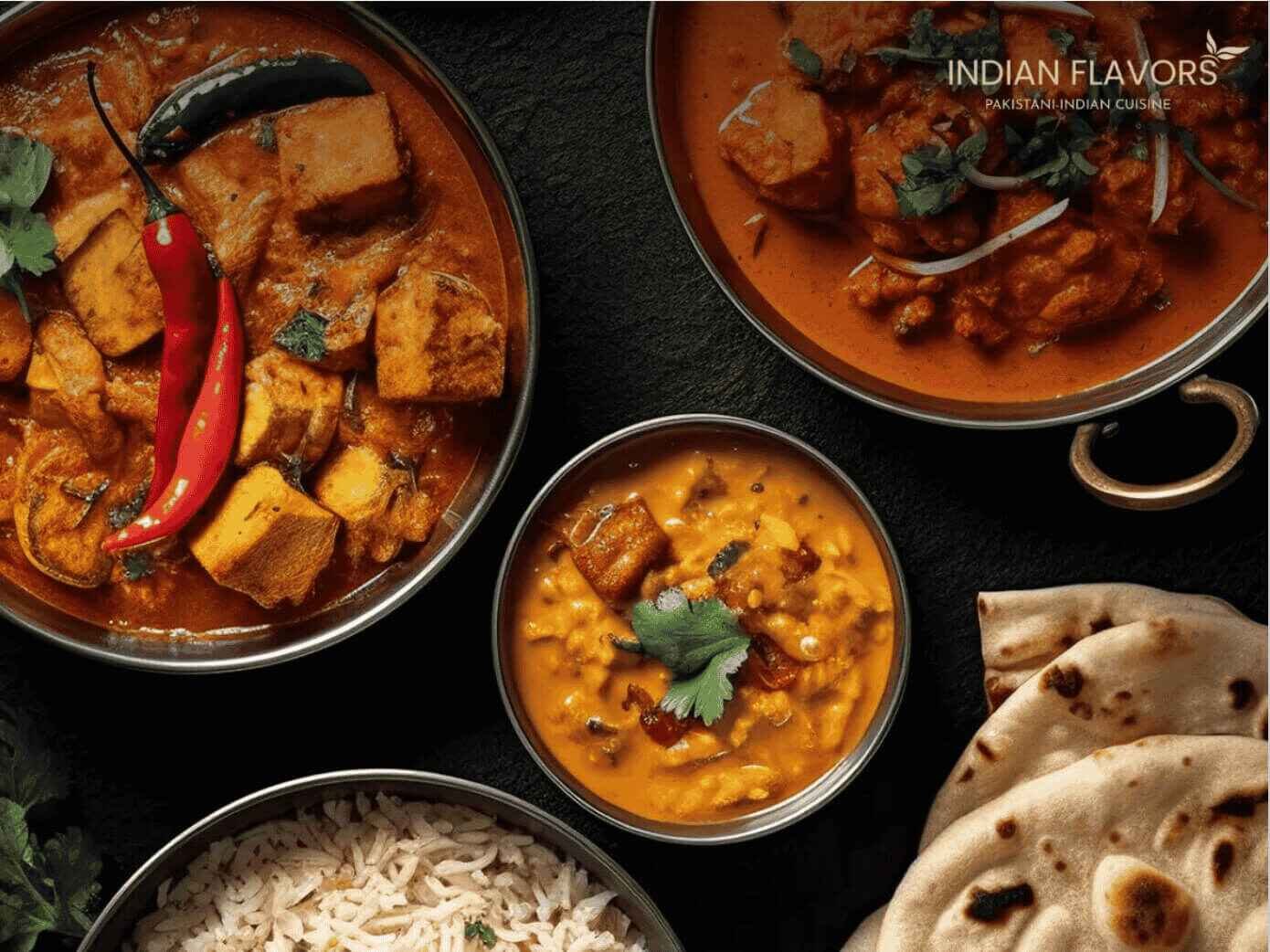
Indian food is loved across continents, cultures, and generations. From bustling street corners in Delhi to fine-dining restaurants in New York and London, Indian cuisine has earned a global reputation for being deeply flavorful, satisfying, and unforgettable. But what exactly makes Indian food so tasty? The answer lies in a rich mix of spices, cooking techniques, cultural diversity, and an emotional connection to food that goes far beyond basic nourishment.
A perfect balance of spices, not just heat
One of the biggest misconceptions about Indian food is that it is simply “spicy.” In reality, Indian cuisine is about balance, not just heat. Spices are used thoughtfully to enhance flavor rather than overpower it. Ingredients like cumin, coriander, turmeric, cardamom, cloves, cinnamon, and fennel each play a specific role. Some add warmth, others add sweetness, earthiness, or depth.
Indian cooking focuses on layering flavors. Spices are often roasted, ground, or tempered in oil to release their natural oils and aromas. This technique brings complexity to dishes, making every bite taste rich and multidimensional. Instead of relying on salt alone, Indian food uses spices to create flavor, which is why it feels so full and satisfying.
Regional diversity creates endless variety
India is not a single cuisine but a collection of hundreds of regional food traditions. Each region has its own ingredients, climate influences, and cultural history, which result in an incredible range of flavors and dishes.
North Indian food is known for creamy gravies, slow-cooked meats, and breads like naan and roti. South Indian cuisine focuses on rice-based dishes, fermented foods, coconut, and tangy flavors. Western Indian food offers everything from sweet and spicy Gujarati meals to fiery Goan curries influenced by Portuguese cooking. Eastern Indian cuisine highlights subtle spices, mustard oil, and unique desserts.
This diversity ensures that Indian food never feels repetitive. Whether someone prefers mild, spicy, tangy, or rich flavors, there is always something in Indian cuisine that suits their taste.
Cooking techniques that build deep flavor
Indian food relies on time-tested cooking techniques that bring out maximum flavor. Slow cooking is common, especially for curries, lentils, and meat dishes. Allowing ingredients to simmer together helps flavors blend naturally, creating depth that fast cooking methods cannot achieve.
Techniques like “bhunao,” where spices and onions are cooked until oil separates, or “tadka,” where spices are fried in hot oil and poured over a dish, add intense aroma and taste. Clay ovens, or tandoors, give dishes a smoky flavor that is hard to replicate with modern appliances.
These methods are not shortcuts. They require patience and attention, which is why Indian food often tastes richer and more developed than many other cuisines.
Use of fresh herbs and aromatics
Another reason Indian food tastes so good is the generous use of fresh herbs and aromatics. Ginger, garlic, green chilies, curry leaves, cilantro, mint, and onions form the backbone of many dishes. These ingredients are rarely used raw; instead, they are cooked in ways that mellow their sharpness while enhancing their fragrance.
Fresh herbs are often added at the end of cooking, giving dishes a burst of freshness that balances heavier spices. This contrast between rich, cooked flavors and fresh finishing notes makes Indian food incredibly satisfying to the palate.
A strong connection between food and culture
In Indian culture, food is not just fuel; it is an expression of hospitality, celebration, and care. Meals are often prepared with great attention, especially when feeding family or guests. This emotional investment shows in the final dish.
Many recipes are passed down through generations, refined over decades. Home cooks learn by observing elders rather than following written recipes, which leads to instinctive seasoning and intuitive flavor balance. This cultural depth adds soul to Indian food, making it taste comforting and authentic.
Vegetarian dishes that don’t feel boring
Indian cuisine is famous for making vegetarian food taste exciting. Lentils, beans, vegetables, and dairy are transformed into flavorful dishes using spices and cooking techniques that give them richness and texture.
Dishes like dal, paneer curries, vegetable biryani, and chickpea-based meals are filling and satisfying even without meat. This ability to create bold flavors from plant-based ingredients sets Indian food apart and appeals to a wide range of dietary preferences.
The harmony of sweet, sour, salty, and spicy
Indian food often combines multiple taste profiles in a single dish. Sweetness from onions or jaggery, sourness from tomatoes or tamarind, saltiness, and spice all work together. This balance keeps the palate engaged and prevents flavors from becoming flat.
Chutneys, pickles, and side dishes add even more contrast, allowing diners to customize each bite. This interactive eating experience makes meals more enjoyable and memorable.
Comfort and nostalgia play a role
Taste is not just about ingredients; it is also about emotion. For many people, Indian food represents comfort, home, and tradition. Even for those new to the cuisine, the warmth of spices and richness of flavors create a sense of satisfaction and indulgence.
Dishes like butter chicken, biryani, or masala chai often become comfort foods because they deliver consistent flavor and a sense of fullness that lingers long after the meal ends.
Global influence without losing identity
Indian food has traveled the world, adapting slightly to local tastes while keeping its core identity intact. This balance between tradition and adaptation has helped Indian cuisine gain worldwide popularity without losing what makes it special.
Restaurants across the globe serve Indian food because it offers bold flavors that stand out in a crowded food market. Even when toned down for international audiences, the essence of Indian spices and cooking remains, keeping the food flavorful and appealing.
Conclusion
Indian food is considered tasty not because it is spicy, but because it is thoughtful. It combines spices with purpose, uses techniques that build flavor, and reflects a deep cultural relationship with food. The diversity of regions, balance of tastes, and emotional connection behind each dish make Indian cuisine one of the most loved in the world.
Whether someone enjoys a simple lentil dish or an elaborate curry, Indian food delivers complexity, warmth, and satisfaction in every bite. That is why it continues to win hearts globally and why it is often described as one of the tastiest cuisines ever created.