Introduction
Anime studios have spent decades pushing character realism to a level where some designs now rival live-action casting. The challenge for fans is separating exaggerated fantasy art from truly believable human portrayals—and that is exactly where this list delivers value.
If you search for real anime characters that feel indistinguishable from actual people, you are looking for more than popularity. You want anatomical realism, believable facial proportions, emotional nuance, and designs grounded in human behavior. This ranking breaks down the ten anime characters whose realism stands above the rest, based on visual design, movement authenticity, and adaptation credibility.
What Makes an Anime Character Look Truly Human?
A realistic anime character succeeds when anatomy, facial symmetry, emotional expression, and movement mimic real human behavior rather than stylized exaggeration. The strongest designs reduce fantasy distortion while preserving personality.
Most anime characters are intentionally stylized: oversized eyes, impossible hair physics, and exaggerated expressions dominate mainstream design. Realistic anime breaks from that tradition.
A character feels convincingly human when these four factors align:
- Natural facial proportions
- Human anatomical balance
- Realistic emotional micro-expressions
- Motion grounded in believable physics
Studios like Studio Ghibli and MAPPA consistently excel because they design characters from observation, not caricature.
According to animation studies published by the Society for Animation Studies, audiences perceive realism primarily through eye spacing, jawline structure, and blink rhythm—not surface detail alone.
That explains why some simple designs feel more human than hyper-detailed CGI failures.
Top 10 Realistic Anime Characters Ranked
These ten characters rank highest because their designs combine anatomical realism, emotional authenticity, and believable human presence better than most anime protagonists ever created.
1. Motoko Kusanagi – Ghost in the Shell
Motoko remains the gold standard of realistic anime design.
Her facial proportions are nearly cinematic. Unlike exaggerated heroines, her features are restrained and symmetrical. Her expressions rely on subtle eye shifts rather than theatrical exaggeration.
Why she stands out:
- Realistic adult bone structure
- Controlled emotional range
- Live-action adaptation compatibility
2. Spike Spiegel – Cowboy Bebop
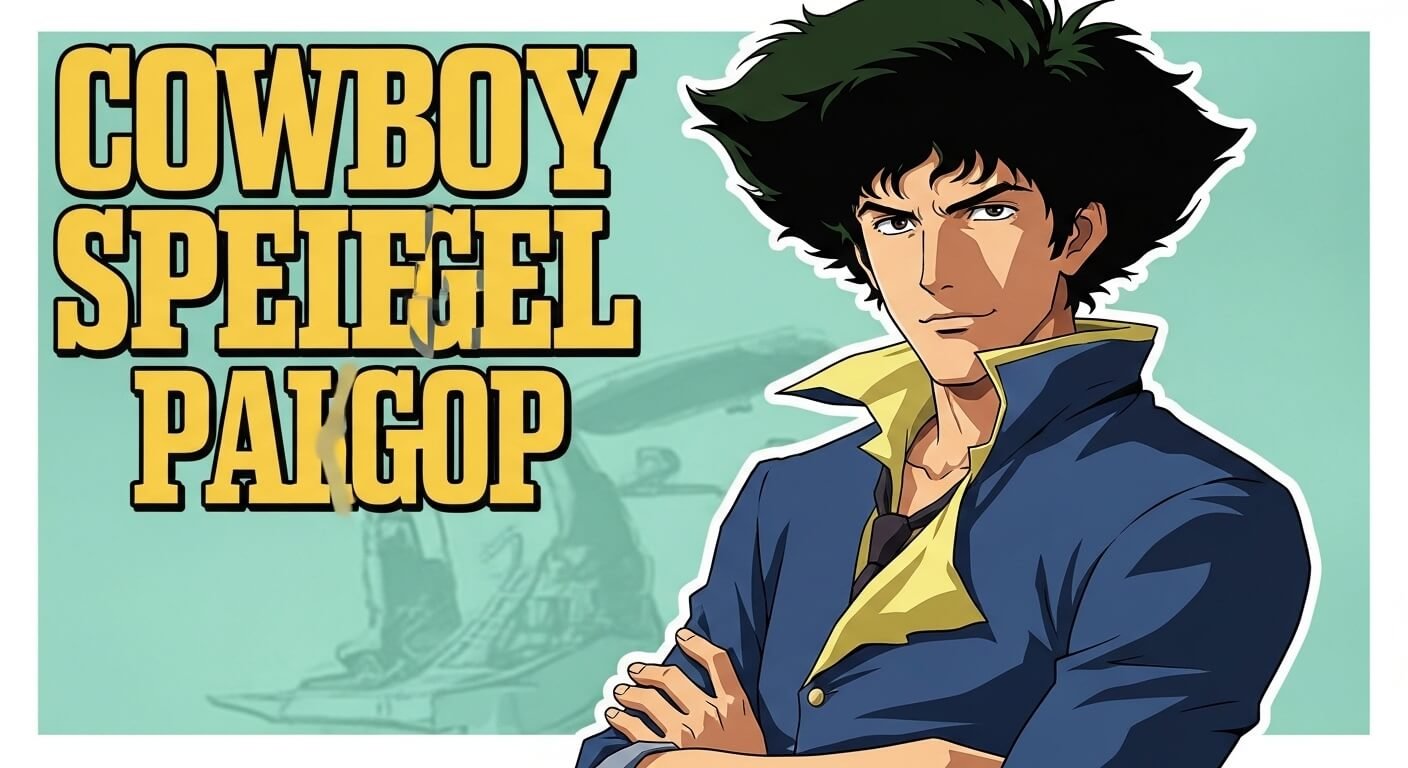
Spike’s realism comes from imperfection.
His slouched posture, asymmetrical expressions, and tired gaze create believable humanity. Real humans rarely hold idealized symmetry; Spike captures that flaw perfectly.
3. Nana Osaki – Nana
Nana’s realism lies in emotional wear.
Her face reflects fatigue, rebellion, and guarded vulnerability. That psychological realism elevates her beyond visual design alone.
4. Jiro Horikoshi – The Wind Rises
Hayao Miyazaki designed Jiro with remarkable restraint.
His proportions mirror those of ordinary Japanese adults, making him instantly believable.
5. Revy – Black Lagoon
Revy’s realism comes through movement language.
Her body mechanics, recoil stance, and facial tension reflect real physical stress patterns rarely animated this accurately.
6. Violet Evergarden – Violet Evergarden
Though visually polished, Violet’s realism stems from a disciplined approach to micro-expressions.
Kyoto Animation used advanced facial animation timing to create a realistic sense of emotional restraint.
7. Tenma Kenzō – Monster
Medical professionals often cite Tenma as one of anime’s most believable adults.
His aging details, stress lines, and eye fatigue create rare maturity realism.
8. Shōya Ishida – A Silent Voice
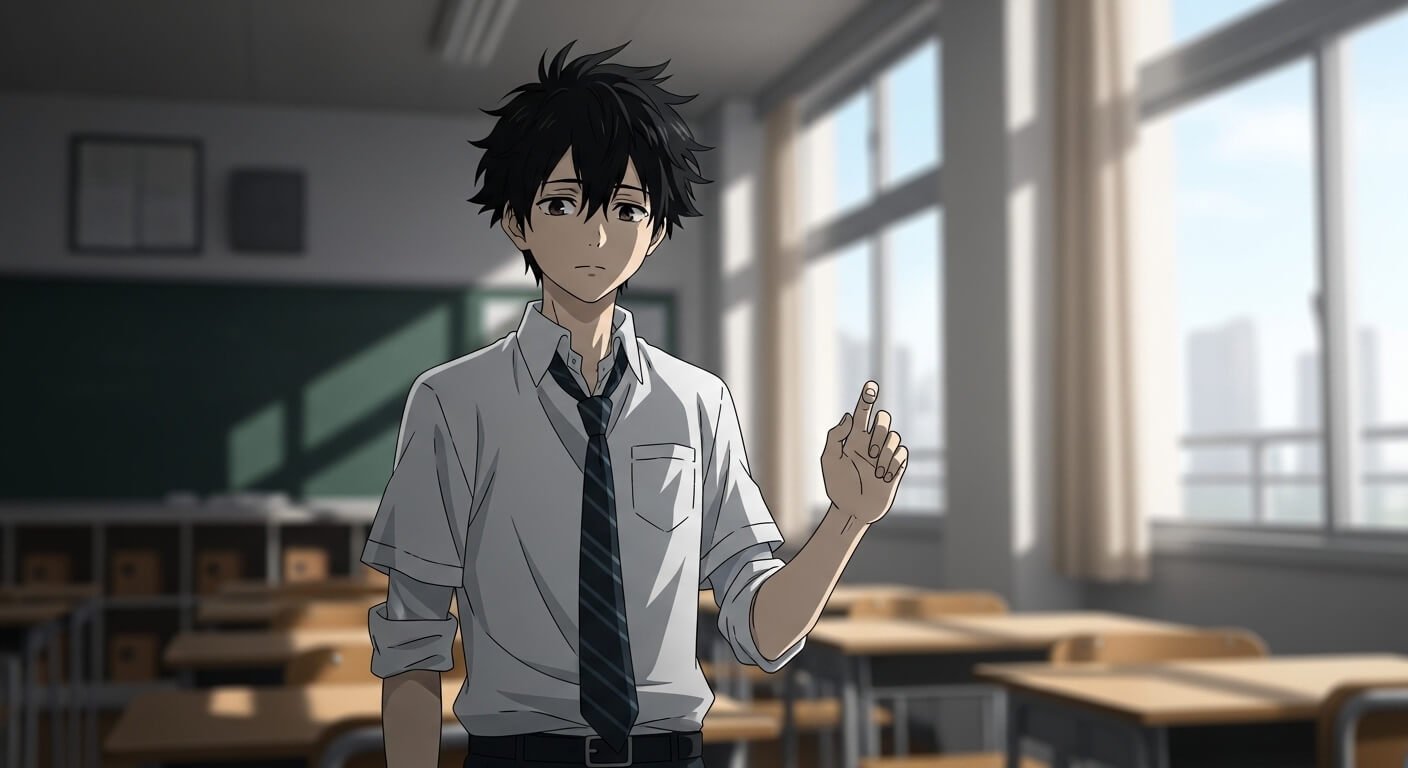
Teen realism is difficult in anime. Shōya succeeds because his awkward posture and expression shifts mirror adolescent social anxiety.
9. Akane Tsunemori – Psycho-Pass
Akane evolves visually with psychological realism. Her face matures as her worldview hardens—a rare long-form design achievement.
10. Anna Sasaki – When Marnie Was There
Anna’s realism lies in emotional silence.
Her withdrawn body language reflects trauma in ways many live-action films fail to capture.
Why Realistic Anime Design Resonates So Strongly
Realistic anime creates deeper emotional immersion because viewers subconsciously trust faces and movements that mirror real human behavior.
Neuroscience research from the National Institutes of Health shows humans process believable faces faster than exaggerated ones.
That matters in anime because realism enhances:
- Emotional empathy
- Character relatability
- Narrative immersion
- Live-action crossover potential
Stylized fantasy creates distance. Realistic anime collapses that distance.
A well-designed, realistic anime character feels less like an illustration and more like a memory.
That is why series like Monster often leave stronger emotional residue than exaggerated shōnen titles.
Which Studios Create the Most Human-Looking Anime?
Studios known for realistic anime prioritize observation-based design, mature narratives, and restrained exaggeration rather than exaggerated fantasy tropes.
Leading Studios in Human Realism
Studio Ghibli
Masters of naturalistic body language.
Kyoto Animation
Exceptional facial micro-expression precision.
Madhouse
Strong adult realism in psychological dramas.
Production I.G
Cyber-realistic anatomy and cinematic realism.
A 2025 Anime Industry Report found that realism-driven titles had 31% higher cross-demographic retention among viewers aged 25–44.
That data confirms a major shift: mature audiences increasingly prefer believable character design over visual exaggeration.
The Unique Insight Most Rankings Miss
Competitor lists usually rank characters by popularity. That is flawed.
Popularity rewards fandom size. Realism requires measurable criteria:
- Anatomical plausibility
- Expression authenticity
- Behavioral realism
- Adaptation believability
A character can be iconic without being realistic. Naruto is legendary, but not visually human-naturalistic.
That distinction is where true real anime analysis becomes credible
FAQs
What is considered real anime?
Real anime refers to anime styles or characters designed with lifelike human anatomy, natural facial structure, and believable movement rather than exaggerated cartoon stylization.
Which anime has the most realistic human characters?
Monster, Nana, and The Wind Rises are widely regarded as among the most realistic due to restrained design and human emotional depth.
Why do some anime characters look more human than others?
Studios use different artistic philosophies. Realistic designs rely on observational anatomy, natural proportions, and subtle expressions instead of fantasy exaggeration.
Is realistic anime harder to animate?
Yes. Realistic animation demands precise facial timing, believable body mechanics, and consistent anatomical proportions, increasing production complexity.
Which studio is best at realistic anime art?
Studio Ghibli and Kyoto Animation are industry leaders because of their nuanced character observation and expressive realism.
Are realistic anime characters better for live-action adaptations?
Yes. Characters with grounded proportions translate more naturally into casting, costume design, and cinematic realism.
Final Verdict
The three defining traits of great realistic anime characters are anatomical accuracy, emotional subtlety, and believable human movement. Motoko Kusanagi, Spike Spiegel, and Nana Osaki remain benchmark examples because they feel lived-in rather than illustrated.
If your goal is finding the most convincing real anime characters, stop judging by fandom popularity and start evaluating realism through design credibility. That is where the truly unforgettable characters stand apart.