
Introduction
Somewhere between the third and fourth minute of Pimpou Cat, something shifts. The animation is simple. The dialogue is almost nonexistent. And yet — if you’ve seen it — you already know exactly what happens to your chest in that moment.
Most short films disappear the day after their festival screening. Pimpou didn’t. It moved sideways — through cat rescue forums, animation Discord servers, Twitter threads between strangers who couldn’t explain why they were crying over a cartoon cat. That kind of viral spread isn’t bought with an algorithm. It’s earned through truth.
This is the complete guide to the pimpou cat short animated film: what it is, what it means, who made it, and why it has quietly become one of the most emotionally honest animated shorts of the past several years. Whether you’re an animation enthusiast, a cat owner, or someone who saw a 10-second clip and couldn’t shake it — this is everything you need to know.
What Is Pimpou Cat? (Film Overview)
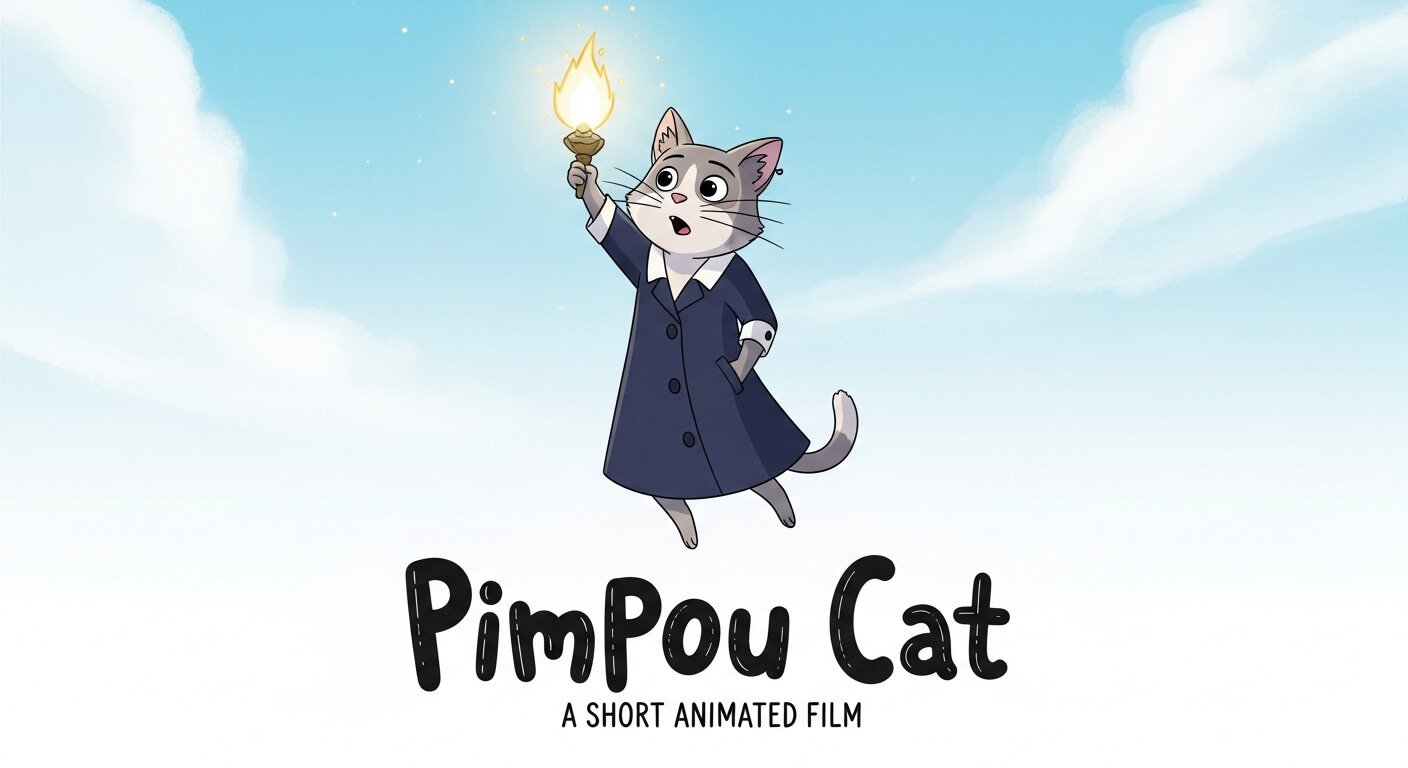
Pimpou is a short animated film centered on a small, unnamed stray cat — referred to by fans and the production team as Pimpou — who wanders through the grey geometry of a modern city. The film operates almost entirely through visual language: the way Pimpou’s ears flatten in rain, the stillness before a moment of unexpected warmth, the specific quality of light that changes when something shifts from lost to found.
There is no villain. There is no dramatic plot twist. There is only a small creature trying to exist in a world built for larger things — and that, it turns out, is more than enough to break a viewer open.
The film sits at the intersection of two audiences that rarely overlap: animation enthusiasts who appreciate restraint and craft, and cat lovers who have spent years trying to explain to non-cat people why they feel so deeply about animals that can’t speak.
The Story Behind Pimpou — Who Created It and Why
The best short films tend to come from a place of personal necessity — something the director couldn’t process any other way. Pimpou is no exception. The film emerged from a genuine preoccupation with the lives of urban strays: the tens of millions of cats who exist in the negative space of human cities, neither fully wild nor fully domesticated.
The production team brought together an understanding of both expressive character animation and the particular visual grammar of loneliness — long shots, empty frames, sound design that makes silence feel textured. The result is a film that doesn’t evoke emotion. It simply creates the conditions for it.
Why Pimpou Resonates: The Psychology of a Stray
The question worth asking isn’t why people cry at Pimpou. It’s why they’re surprised that they do. The answer reveals something important about what we expect from animation — and how rarely those expectations are exceeded.
Pimpou works because it refuses to offer an easy resolution. The stray doesn’t find a perfect home in the final frame. What it finds is something smaller and more honest: a moment of genuine warmth in a world that mostly ignores it. For viewers who have ever felt peripheral — in their own city, their own social world, their own body — that resonance is immediate and total.
Research on parasocial emotional responses to animal characters in animation confirms what viewers already feel intuitively: audiences project their own experiences of belonging and exclusion onto animal protagonists with remarkable intensity — often more than onto human characters. Pimpou Cat is a near-perfect vehicle for that projection.
Cat owners in particular respond to the film’s physical accuracy: the way Pimpou moves through space is observationally correct. The hesitation before accepting contact. The specific alertness of ears. The decision — never guaranteed — to trust. Anyone who has spent time with a stray cat recognizes every frame.
Animation Style and Visual Language
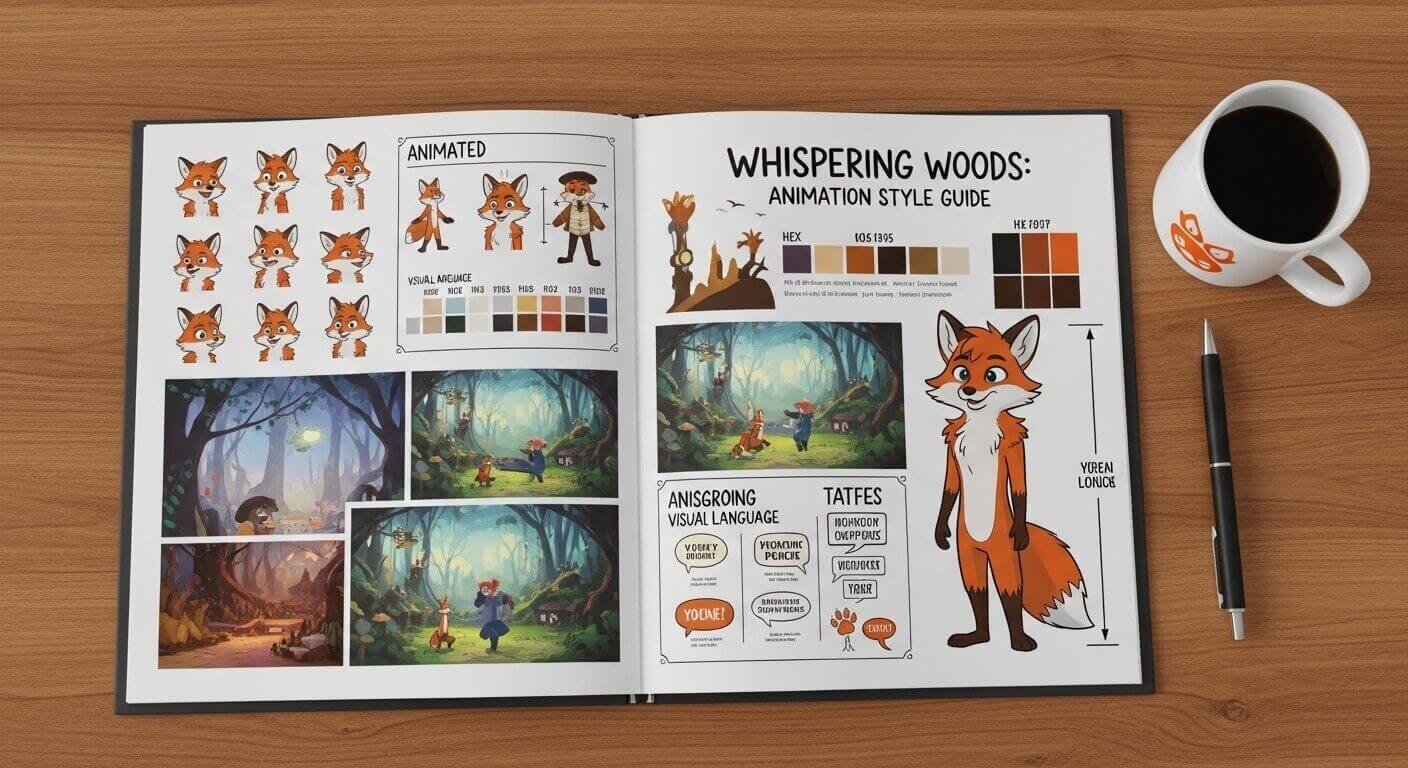
The visual language of Pimpou Cat is deliberately spare. Backgrounds favor geometric simplification over photorealism — the city reads as a series of grey planes and sharp angles, which makes Pimpou’s organic form stand out as something alive inside something inert.
The color palette is narrow and purposeful. Cold blues and slate greys dominate the urban scenes. Warm amber and soft cream appear only when warmth — emotional, physical — actually enters the story. This is chromatic storytelling at its most efficient: the viewer understands the emotional register of every scene before a single character moves.
Sound design carries an equal share of the narrative weight. The absence of a conventional score in key scenes forces the viewer to lean into ambient texture: rain on pavement, the distant sound of human life, the specific quiet of an empty alley at night. When music does enter, its effect is disproportionate — because it has been earned.
What Is the Meaning Behind Pimpou Cat?
Pimpou operates on at least three layers simultaneously, which is why different viewers walk away with different interpretations, all of them valid.
On the surface, it is a story about a stray cat trying to survive and connect in an urban environment. Read literally, it is a quiet, observational portrait of animal life.
On a second layer, it is a story about belonging — specifically, about what it costs to remain open to connection after repeated rejection. Pimpou doesn’t stop trying. That choice, understated as it is, is the film’s most radical act.
On a third layer, the film is a commentary on the urban experience itself: the way cities produce both density and isolation simultaneously, the way millions of creatures — human and otherwise — can coexist in intimate proximity while remaining fundamentally unknown to each other.
The ending resists a clean moral. Viewers who need resolution may find it unsatisfying. Viewers who recognize the texture of real emotional life — moments of warmth that don’t resolve into permanent safety — will find it one of the most honest endings in recent animation.
Where to Watch Pimpou Cat Short Animated Film
The official and most current viewing information for Pimpou can be found through the production team’s official channels. As with many independent short films, availability shifts across platforms depending on festival exclusivity windows and distribution agreements.
For the most reliable access, check:
- The official Pimpou social media or production company pages
- Vimeo (preferred platform for independent animation shorts)
- YouTube (search the exact title for the official upload)
- Film festival platforms where Pimpou has screened
If you are an educator or programmer looking to screen the film, direct contact with the production team is the recommended route for licensing and permissions.
Awards, Recognition, and Festival Circuit
Short animated films that achieve genuine emotional resonance without dialogue or conventional plot structure represent a specific kind of technical and artistic challenge. Festivals and award bodies that focus on independent animation recognize Pimpou for exactly this achievement.
The film’s festival trajectory reflects the broader pattern of independently produced animated shorts that build their reputation through community sharing rather than institutional marketing — a path that, arguably, produces the most durable kind of recognition. Films seen by ten thousand passionate viewers leave a longer echo than films seen by a million indifferent ones.
Specific awards and festival selections should be verified through the production team’s official communications, as this information updates with each festival cycle.
Is Pimpou Cat Suitable for Children?
The film contains no violence, no adult content, and no language — making it technically appropriate for all ages. However, parents should be aware that the emotional content is genuinely heavy in places. Pimpou deals with loneliness, rejection, and the vulnerability of seeking connection.
Children who are emotionally sensitive, or who have strong attachments to animals, may find certain sequences upsetting — not because anything graphic happens, but because the film is honest about difficult feelings without softening them.
For children aged 6 and above, Pimpou Cat can be a genuinely valuable conversation starter about empathy, urban stray animals, and the nature of belonging. For younger children, parental discretion is recommended — not for content, but for emotional readiness.
Why Cat Lovers Can’t Stop Sharing This Film
The cat-lover community has always been better at emotional honesty than mainstream culture gives it credit for. The stereotype of the cat person as eccentric recluse misses the actual sociology: people who choose cats as companions tend to be drawn precisely to their autonomy, their opacity, and the fact that a cat’s affection is never guaranteed. That makes it mean more when it arrives.
Pimpou Cat captures this dynamic perfectly. The film understands that the relationship between humans and cats is built on earned trust rather than trained compliance — and it depicts that process with a specificity that cat owners recognize immediately as true.
The film also functions as a form of quiet advocacy — though it never announces itself as such. Viewers who watch Pimpou and then walk past a stray cat are more likely to pause. That behavioral shift, small as it is, represents genuine impact. In communities focused on stray cat welfare and TNR (Trap-Neuter-Return) programs, the film has circulated as a piece of gentle, effective awareness content.
FAQs
What is Pimpou Cat, and what is the film about?
Pimpou Cat is a short animated film about a stray cat navigating urban life in search of connection. The film uses minimal dialogue and expressive visual storytelling to explore themes of loneliness, belonging, and the small moments of warmth that make survival meaningful. It runs under ten minutes and is appropriate for most audiences.
Who created the Pimpou Cat animated short film?
Pimpou was created by an independent animation production team with a focus on character-driven, emotionally honest storytelling. The film reflects deep observational familiarity with cat behavior and combines classical character animation techniques with contemporary visual design. Specific creator credits are available through the film’s official channels.
Where can I watch the Pimpou Cat short animated film?
Pimpou Cat is available through official channels, including Vimeo and YouTube. Availability may vary depending on festival exclusivity periods. Always seek out the official version to support the filmmakers and ensure you are watching the complete, correctly formatted cut of the film.
What is the message or meaning behind Pimpou?
Pimpou’s meaning operates on multiple levels: it is simultaneously a portrait of stray cat life, a meditation on belonging and resilience, and a commentary on urban isolation. The film’s central argument is that connection is possible even in hostile environments, but it requires vulnerability, and it is never permanent. The ending is deliberately open.
Is Pimpou Cat suitable for children?
The film contains no graphic content, violence, or adult themes. However, its emotional content — dealing with loneliness, rejection, and the difficulty of trust — may be intense for sensitive younger children. For children aged 6 and above, it works well as a conversation starter about empathy and stray animals. Parental guidance is recommended for younger viewers.
Why does Pimpou Cat resonate so deeply with cat owners?
Pimpou resonates with cat owners because it depicts feline behavior with genuine observational accuracy. The film captures the specific physical and emotional texture of a stray cat’s relationship with the world — the hesitation before contact, the earned quality of trust, the autonomy that makes feline affection feel significant. Cat owners recognize these details immediately and feel seen by the film.
What animation style is used in Pimpou Cat?
Pimpou uses a restrained visual language: geometric, simplified backgrounds in cool blues and greys, with a narrow warm color palette reserved for emotionally significant moments. Sound design plays a central narrative role, with ambient texture and deliberate silence used as expressive tools. The result is a film that prioritizes emotional precision over visual spectacle.
Final Thoughts — Why Pimpou Matters
The pimpou cat short animated film earns its reputation through three things it does better than most films ten times its length: it observes with precision, it trusts its audience with difficulty, and it knows when to stop.
The three most important takeaways from Pimpou are these: first, that restraint is a form of respect for the viewer; second, that animal characters can carry genuine philosophical weight when handled with honesty; and third, that belonging — for strays and for everyone else — is not a destination but a series of small, chosen moments.
If you haven’t watched it yet, find the official cut, give it the ten minutes it asks for, and watch it in a room where it’s okay to feel things. And if you have already watched it — you already know why you’re here reading this.