
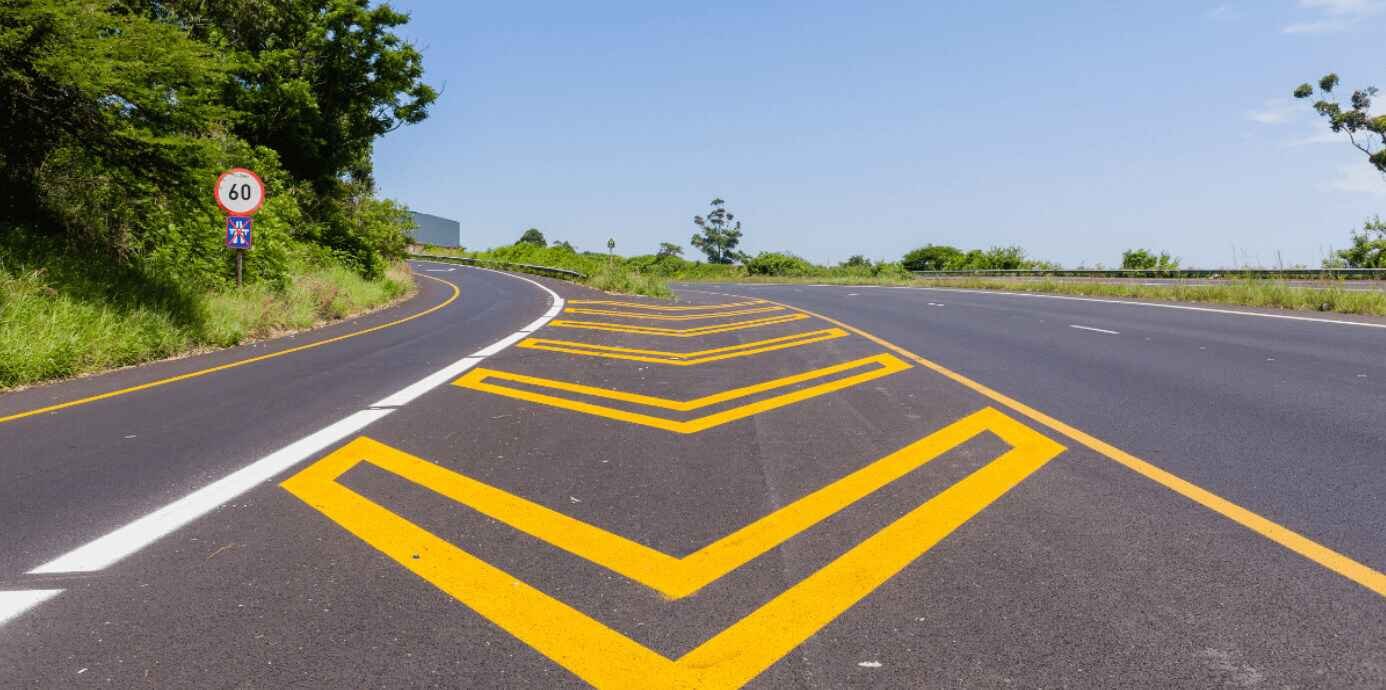
Landsliding and surface slippage are serious safety concerns, especially in areas exposed to heavy rainfall, steep gradients, vehicle movement, or pedestrian traffic. Roads, highways, industrial sites, parking areas, ramps, and walkways are particularly vulnerable when surfaces lose traction. One effective and increasingly popular solution to reduce the landsliding effect is the use of anti-skid paints. These specialized coatings are designed to enhance surface grip, minimize slipping hazards, and improve overall safety in high-risk environments.
Understanding the landsliding effect
The landsliding effect refers to the loss of friction between a surface and the object moving over it, whether that object is a vehicle, machinery, or a person. This loss of grip can occur due to water accumulation, oil spills, dust, algae growth, loose debris, or smooth surface finishes. On slopes, inclines, and curved pathways, even a small reduction in friction can result in uncontrolled sliding.
In outdoor environments, rainfall is one of the biggest contributors to landsliding. Water forms a thin film on smooth surfaces, drastically reducing tire or foot traction. In industrial or construction settings, oil, grease, and fine dust can further worsen the situation, increasing the risk of accidents, injuries, and infrastructure damage.
What are anti-skid paints
Anti-skid paints are specially formulated coatings that contain textured aggregates such as silica sand, aluminum oxide, polymer beads, or rubber granules. When applied to a surface, these materials create a rough, high-friction finish that significantly improves grip. Unlike standard paints, anti-skid paints are engineered not just for appearance but for functional safety.
These paints can be applied to a wide range of surfaces, including concrete, asphalt, metal, wood, and tiles. They are commonly used on roads, bridges, ramps, stairways, industrial floors, parking lots, pedestrian crossings, and steep access points where slipping or sliding is likely.
How anti-skid paints increase surface friction
The primary way anti-skid paints reduce the landsliding effect is by increasing the coefficient of friction on a surface. The textured particles embedded in the paint protrude slightly above the surface, creating resistance against movement. This resistance allows tires to maintain better contact with the ground and helps footwear grip more securely.
When water or other liquids are present, the textured surface breaks through the liquid film, preventing hydroplaning or foot slippage. Instead of gliding over a smooth layer of moisture, vehicles and pedestrians experience consistent traction, even in wet or slippery conditions.
Improved performance on slopes and inclines
Sloped surfaces are especially vulnerable to landsliding because gravity naturally encourages movement downhill. Roads in hilly regions, loading ramps, basement entrances, and parking structures often experience accidents due to poor traction.
Anti-skid paints provide an added layer of safety by increasing resistance on inclined surfaces. Vehicles can brake more effectively, accelerate without wheel spin, and maintain directional control. Pedestrians benefit from stable footing, reducing the risk of falls, especially during rain or icy conditions.
This makes anti-skid coatings particularly valuable in mountainous regions, areas with uneven terrain, and zones prone to heavy rainfall.
Enhanced safety in wet and extreme weather conditions
Weather plays a major role in surface safety. Rain, fog, frost, and humidity can all reduce grip, making surfaces unpredictable. Anti-skid paints are designed to perform reliably in adverse weather conditions.
By maintaining consistent traction during wet weather, these coatings help reduce skidding-related accidents. In colder climates, anti-skid surfaces also perform better when frost or light ice forms, as the textured finish offers more resistance than smooth coatings.
For regions experiencing seasonal monsoons or frequent storms, anti-skid paints act as a preventive safety measure rather than a reactive solution.
Reducing vehicle-related landsliding accidents
Vehicle skidding is a major cause of road accidents, especially at intersections, curves, pedestrian crossings, and steep roads. Anti-skid paints are often used in high-risk zones such as sharp turns, downhill stretches, school zones, and accident-prone areas.
The increased traction helps drivers maintain control during braking and turning. Reduced stopping distances and improved tire grip can significantly lower the likelihood of collisions, rollovers, or vehicles sliding off the road.
For industrial vehicles such as forklifts, trucks, and heavy machinery, anti-skid coatings help prevent uncontrolled movement during loading and unloading operations.
Pedestrian safety and fall prevention
Landsliding does not only affect vehicles; pedestrian slips and falls are equally dangerous. Walkways, stairs, ramps, and entrances become hazardous when wet or polished smooth over time.
Anti-skid paints create a textured walking surface that improves foot grip and balance. This is particularly important in public spaces, hospitals, schools, shopping centers, and industrial facilities where safety regulations are strict.
By reducing slip-related injuries, organizations can lower liability risks, improve accessibility, and create safer environments for people of all ages.
Long-term durability and consistent performance
Modern anti-skid paints are designed for durability. They are resistant to abrasion, UV exposure, chemicals, and heavy traffic. Unlike temporary solutions such as mats or tapes, anti-skid coatings provide long-lasting protection with minimal maintenance.
Once properly applied, these paints continue to perform over extended periods, maintaining their grip even under frequent use. This makes them a cost-effective solution for long-term landslide and skid prevention.
Environmental and structural benefits
By reducing accidents and surface damage caused by skidding, anti-skid paints indirectly protect infrastructure. Reduced vehicle slippage minimizes wear and tear on roads, ramps, and flooring.
Some anti-skid paints are formulated with environmentally friendly materials and low volatile organic compounds, making them suitable for sustainable construction and safety projects. Their ability to prevent accidents also reduces the environmental impact associated with emergency repairs and traffic disruptions.
Ease of application and versatility
Anti-skid paints are relatively easy to apply and can be customized based on surface type and risk level. Different aggregate sizes can be selected depending on whether the area is meant for pedestrians, light vehicles, or heavy traffic.
They can be applied during new construction or retrofitted onto existing surfaces, making them a flexible solution for both preventive and corrective safety measures.
Conclusion
Anti-skid paints play a critical role in reducing the landsliding effect by increasing surface friction, improving traction, and enhancing safety across a wide range of environments. From roads and slopes to industrial floors and pedestrian pathways, these coatings offer a practical and durable solution to a widespread safety challenge.
By minimizing slippage caused by weather, surface smoothness, or contaminants, anti-skid paints help prevent accidents, protect infrastructure, and create safer spaces for both vehicles and pedestrians. As safety standards continue to rise, the use of anti-skid paints is becoming not just an option, but a necessity in areas prone to landsliding and surface instability.